Why Tall Women's Leggings Problems Are Usually a Rise Issue, Not a Length Issue
Buying leggings labeled ‘tall’ and expecting that to solve every fit complaint often leaves a specific problem unaddressed, because a lot of the common complaints — waistband gapping, a low-feeling crotch seam — are actually rise problems, not length problems, and ‘tall’ sizing typically only adjusts length.

Why Length Alone Doesn’t Fix Common Tall-Body Fit Complaints
The length-versus-rise gap: the tall-sizing-typically-extends-inseam-length-without-adjusting-the-rise-measurement (the the most common tall-specific sizing adjustment addressing leg length only, leaving torso proportions unchanged — the tall-sizing-extends-length-not-rise), the the-a-longer-torso-common-on-taller-frames-needs-a-higher-or-longer-rise-not-just-longer-legs (the the actual proportional mismatch often being in the torso rather than the legs — the longer-torso-needs-different-rise-not-just-legs), the the-a-mismatched-rise-produces-gapping-a-low-crotch-seam-or-a-waistband-that-slips-down-regardless-of-leg-length-being-correct (the those specific complaints persisting even once leg length has been solved by tall sizing — the mismatched-rise-produces-gapping-regardless-of-correct-length), and the reframe (a lot of tall-specific fit complaints being rise problems that ‘tall’ labeling doesn’t actually address, since it typically only solves for leg length)).
The Specific Rise Measurement That Actually Matters More
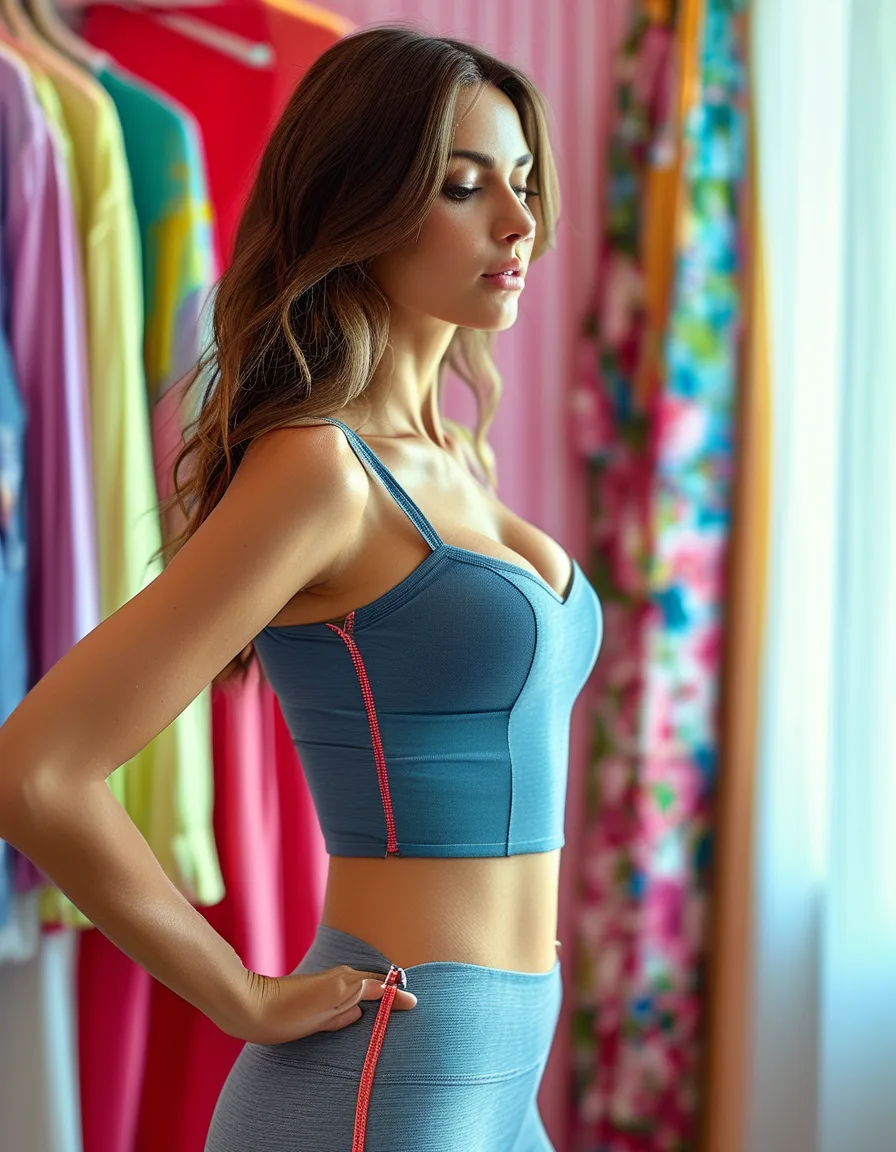
What to actually check: the rise-is-measured-from-the-crotch-seam-to-the-top-of-the-waistband (the a specific, checkable measurement distinct from inseam or overall length — the rise-measured-crotch-to-waistband), the the-a-longer-torso-generally-needs-a-higher-or-longer-rise-measurement-than-standard-sizing-provides (the the proportional adjustment that actually addresses a longer torso, separate from leg length — the longer-torso-needs-longer-rise-measurement), the the-brands-that-list-rise-measurement-specifically-allow-a-real-comparison-that-a-tall-label-alone-doesnt (the a specific number being far more useful for predicting fit than a size category name — the specific-rise-number-more-useful-than-label), and the frame (rise measured from crotch seam to waistband being the actual number to check, since a longer torso needs a longer rise measurement that a size label alone doesn’t guarantee).
How to Shop Using That Measurement Instead of Relying on ‘Tall’ Sizing Labels Alone
The practical shopping approach: the measure-personal-rise-by-measuring-from-crotch-to-natural-waistline-on-a-well-fitting-existing-pair (the establishing a personal reference number rather than guessing at what might fit — the measure-personal-rise-from-existing-well-fitting-pair), the the-check-a-brands-listed-rise-measurement-against-that-personal-number-before-buying (the a direct comparison replacing reliance on size category labels — the compare-brand-rise-to-personal-number), the the-treat-tall-labeling-as-a-signal-to-check-rise-specifically-rather-than-assuming-it-solves-fit-completely (the the tall label indicating a starting point worth investigating further, not a guarantee — the tall-label-as-starting-point-not-guarantee), and the frame (measuring personal rise from a well-fitting pair, comparing it directly against a brand’s listed rise measurement, and treating tall labeling as a cue to check further rather than an automatic fit guarantee).
Buying leggings labeled tall and expecting that to fix every fit complaint often leaves the actual problem unaddressed, since tall sizing typically only extends inseam length, while common complaints like waistband gapping or a low-feeling crotch seam are usually rise problems tied to a longer torso, not a length problem at all. The number that actually matters is rise, measured from the crotch seam to the top of the waistband, since a longer torso generally needs a longer rise measurement that a size label alone doesn’t guarantee, and brands that list this specific number allow a far more useful comparison than a tall category name does. Shop by measuring personal rise from an existing well-fitting pair, comparing that number directly against a brand’s listed rise measurement before buying, and treating tall labeling as a cue to check rise specifically rather than an automatic guarantee that fit is solved.
Keep Reading
This article is for general informational and styling purposes only. Fit, sizing, and product availability may vary — check current details before purchasing.